Source Risograph Printer for Business Printing, Document Duplication, and School Publishing
Explore 30 verified listings for the risograph printer to compare specifications like print speed, paper weight, and network capabilities. Buyers can evaluate models from China and Japan to find suitable options for high-volume digital duplicator needs.
Key considerations
Products List


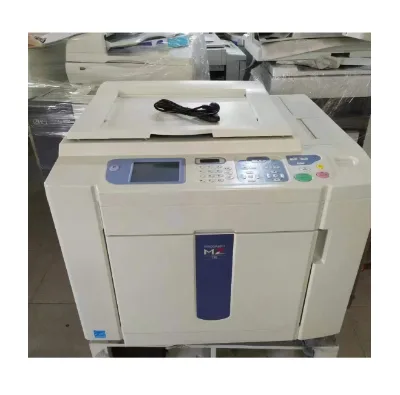


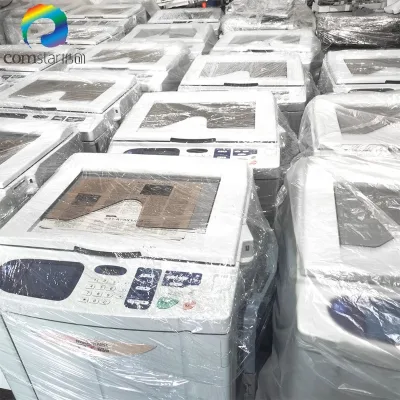


Comprehensive Sourcing Guide
Strategic Sourcing Guide for Risograph Printer Procurement
The procurement of industrial printing equipment, specifically risograph printers, requires a nuanced understanding of the intersection between digital duplication technology and high-volume production needs. For buyers operating in the B2B sector, the decision to source these machines involves evaluating complex technical specifications, verifying supplier capabilities, and ensuring long-term operational efficiency. The market presents a diverse array of options, ranging from compact units to high-speed industrial systems, each with distinct operational parameters. This guide provides a structured approach to navigating the procurement landscape, grounded in observable product attributes and industry-standard verification practices.
Technical Architecture and Operational Specifications
Understanding the core technical architecture is the first step in defining procurement requirements. The product landscape for risograph printers reveals a significant variation in operating principles and print speeds. While some units operate on a digital duplicator printing principle, others utilize line-type inkjet systems or standard digital operations. Buyers must carefully distinguish between these technologies, as they dictate the suitability of the machine for specific production environments.
A critical observation in the current market is the variance in print speed. Available data indicates that high-performance units can achieve speeds ranging from 60 to 150 pages per minute (ppm), with specific models capable of reaching up to 150 ppm. This high-speed capability is often paired with automatic duplex printing features, allowing for double-sided output without manual intervention. The resolution of these machines also varies, with observed specifications citing DPI ranges such as 300x600 dpi and 400x600 dpi. These metrics are essential for determining print quality, particularly for text-heavy documents versus detailed graphic work.
Furthermore, the physical capabilities of the printer must align with the intended paper stock. The observed paper weight range for these machines typically spans from 46 GSM to 210 GSM, accommodating everything from lightweight stationery to heavier cardstock. The printable area is another vital specification, with some units supporting widths up to 630mm and lengths extending to 548mm. Buyers should verify that the maximum printable size, often listed in standard paper formats like A3 or specific millimeter dimensions, matches their production volume needs. The interface types, including USB and network connectivity (wired or wireless), also play a crucial role in integrating the printer into existing office or factory networks.
Material Compatibility and Ink Systems
The choice of ink and material compatibility significantly impacts the total cost of ownership and the quality of the final output. The supplied product data highlights the use of oil-based pigment inks, specifically in CMYK configurations, which are common in high-speed duplicators. However, other entries mention split-type cartridges, suggesting a modular approach to maintenance and ink replacement. The distinction between "Regular Paper" and specialized media is also noted, indicating that while these machines are versatile, they may have specific requirements for optimal performance.
When evaluating material compatibility, buyers should look for evidence of the machine's ability to handle the specific paper weights and types required for their projects. The range of 46 GSM to 210 GSM suggests a broad capability, but the specific application—whether it is for marketing materials, internal documents, or packaging—will dictate the ideal choice. Additionally, the printing method, often described as thermal printing in certain contexts or digital duplicator printing in others, influences the drying time and the finish of the printed material. Understanding these material interactions is vital for preventing jams and ensuring consistent color fidelity, especially when dealing with oil-based pigment inks that may require specific drying times or ventilation.
Cost Drivers and Pricing Dynamics
The pricing structure for risograph printers is highly variable, reflecting the diversity in features, speed, and brand positioning. Market observations indicate a price range spanning from approximately 8 USD to 180,000 USD. This vast disparity underscores the importance of aligning budget with actual operational needs rather than simply selecting the most expensive or cheapest option. The lower end of the spectrum likely corresponds to entry-level or specialized units, while the upper end represents high-capacity industrial systems with advanced networking and automation features.
Several factors drive these costs. First, the print speed is a primary determinant; machines capable of 150 ppm command a premium over those operating at 60 ppm. Second, the inclusion of advanced features such as automatic duplex printing, network scanning, and fax capabilities adds to the overall price. Third, the packaging and shipping requirements, which can range from standard boxes to wooden cases for heavy industrial units, influence the final landed cost. Buyers should also consider the Minimum Order Quantity (MOQ), which is observed to range from 1 piece to 100 pieces. While many suppliers offer an MOQ of 1 piece, facilitating single-unit procurement for testing or small-scale operations, larger orders may unlock volume discounts or specific customization options.
Compliance, Certification, and Standards Verification
In the B2B procurement process, verifying compliance and adherence to standards is non-negotiable. The product data references specific dimensional standards, such as 91x82x89 and 99x91x142, which likely refer to the physical footprint or packaging dimensions of the units. However, these are physical specifications rather than safety or environmental certifications. Buyers must independently verify that the equipment complies with local electrical safety standards, environmental regulations regarding ink disposal, and noise emission limits.
When evaluating a supplier, it is crucial to request documentation regarding the machine's compliance with international standards. This includes checking for certifications related to electromagnetic compatibility (EMC), safety certifications like CE or UL, and environmental standards such as ISO 14001. The origin of the product, whether from Guangdong, China, or Japan, may influence the regulatory framework the machine was designed to meet. For instance, units manufactured in Japan might adhere to different quality control benchmarks compared to those from other regions. Buyers should not assume compliance based on the country of origin alone but must demand explicit certification documents for every unit purchased.
Supplier Evaluation and Quality Assurance
Selecting the right supplier is as critical as selecting the right machine. The procurement guide emphasizes the need for a rigorous evaluation process that goes beyond the initial product listing. Key factors in supplier evaluation include the availability of customization services, the reliability of the supply chain, and the quality of after-sales support. The product data indicates that customization is available, which can be a significant advantage for buyers with specific branding or functional requirements.
Quality assurance should be a central component of the supplier selection process. Buyers should inquire about the testing protocols used by the manufacturer to ensure that each unit meets the specified performance metrics, such as print speed and DPI. The presence of features like "Scan Leading" and "High Speed, Low Cost, Stable Performance" suggests that the manufacturer has optimized the machine for efficiency, but these claims must be validated through independent testing or reference checks. Additionally, the availability of optional accessories, such as duplex printing devices, indicates a supplier's commitment to providing a comprehensive solution. Buyers should assess the supplier's ability to provide spare parts and technical support, as the long-term viability of the equipment depends on a robust support network.
Typical Applications and Long-Term Procurement Strategy
The versatility of risograph printers makes them suitable for a wide range of applications, from high-volume document reproduction to specialized graphic design work. The ability to print on various paper weights and the availability of color and black-and-white options allow these machines to serve diverse industries. For example, the high-speed capability makes them ideal for printing brochures, newsletters, and promotional materials, while the digital duplicator function supports short-run printing projects that would be cost-prohibitive with traditional offset printing.
Long-term procurement considerations should focus on the total cost of ownership (TCO) rather than just the initial purchase price. This includes the cost of consumables like ink and paper, maintenance expenses, and the potential for downtime. The observation of "Low Cost" as an advantage suggests that these machines are designed for economical operation, but buyers must verify the cost per page and the lifespan of the components. Furthermore, the integration of network printing capabilities ensures that the machine can scale with the organization's growth, allowing for seamless connectivity across multiple workstations.
| Feature Category | Observed Range/Specification | Procurement Consideration |
|---|---|---|
| Print Speed | 60-150 ppm | Match speed to peak production volume; higher speed increases cost. |
| Paper Weight | 46-210 GSM | Verify compatibility with specific media types required for projects. |
| Resolution | 300x600 dpi to 400x600 dpi | Higher DPI is essential for detailed graphics; lower DPI may suffice for text. |
| Connectivity | USB, Wired/Wireless Network | Ensure network infrastructure supports the required interface types. |
| Duplex Printing | Automatic (Standard/Optional) | Critical for reducing paper usage and increasing throughput. |
| Origin | Guangdong, China; Japan | Verify compliance with local regulations based on manufacturing origin. |
In conclusion, sourcing a risograph printer requires a balanced approach that considers technical specifications, cost dynamics, and supplier reliability. By focusing on the specific needs of the organization and rigorously verifying the capabilities of potential suppliers, buyers can secure equipment that delivers high performance and long-term value. The market offers a wide array of options, but the key to successful procurement lies in aligning the machine's capabilities with the organization's strategic goals and operational requirements.
FAQs
What printing methods are available for risograph printers?
Available methods include thermal printing, digital duplicator printing, and line-type inkjet systems. Buyers must verify the specific technology matches their media requirements, as oil-based pigment inks and regular paper compatibility vary by model.
Can these machines support automatic duplex printing?
Yes, many units feature automatic duplex printing as a standard or optional accessory. This capability allows for double-sided output without manual intervention, significantly increasing throughput for high-volume document reproduction tasks.
What is the typical print speed range for these devices?
Print speeds typically range from 60 to 150 pages per minute depending on the specific model. High-performance industrial units often reach the 150 ppm mark, while entry-level systems may operate at lower speeds within this observed range.
Which paper weights are compatible with these printers?
Compatible paper weights generally span from 46 GSM to 210 GSM. This range accommodates lightweight stationery up to heavier cardstock, ensuring versatility for various document types including brochures and internal reports.
How does the resolution vary across different models?
Resolution specifications vary, with observed DPI settings of 300x600 dpi and 400x600 dpi. Higher resolution is essential for detailed graphic work, while lower settings may suffice for text-heavy documents in standard office environments.
What customization options are available for buyers?
Customization is available for specific branding or functional requirements. Buyers should verify the extent of these options with suppliers, as modular components like split-type cartridges may allow for tailored maintenance and ink solutions.